In woodworking circles, the drill press gets a bad rap. It’s that industrial, cold machine made for cutting holes in metal instead of wood, right? Wrong.
With the right amount of power control, a drill press can be one of the most accurate tools available for making joinery. The primary benefit is control. Wobbly hand drills goes out of line.
A drill press eliminates that variable. It makes spot-on perpendicular holes, and that’s what you need if you’re using dowels or pocket screws. Getting the angle right by hand is a skill that takes years to master.
Key Uses and Tips for Woodworking
Overcoming the Drill Press Stigma
With a drill press, it just takes a moment to set up. A common starting point for woodworkers are the inexpensive bench top versions. The results of their efforts can appear amateurish.
Adapting Techniques for Wood
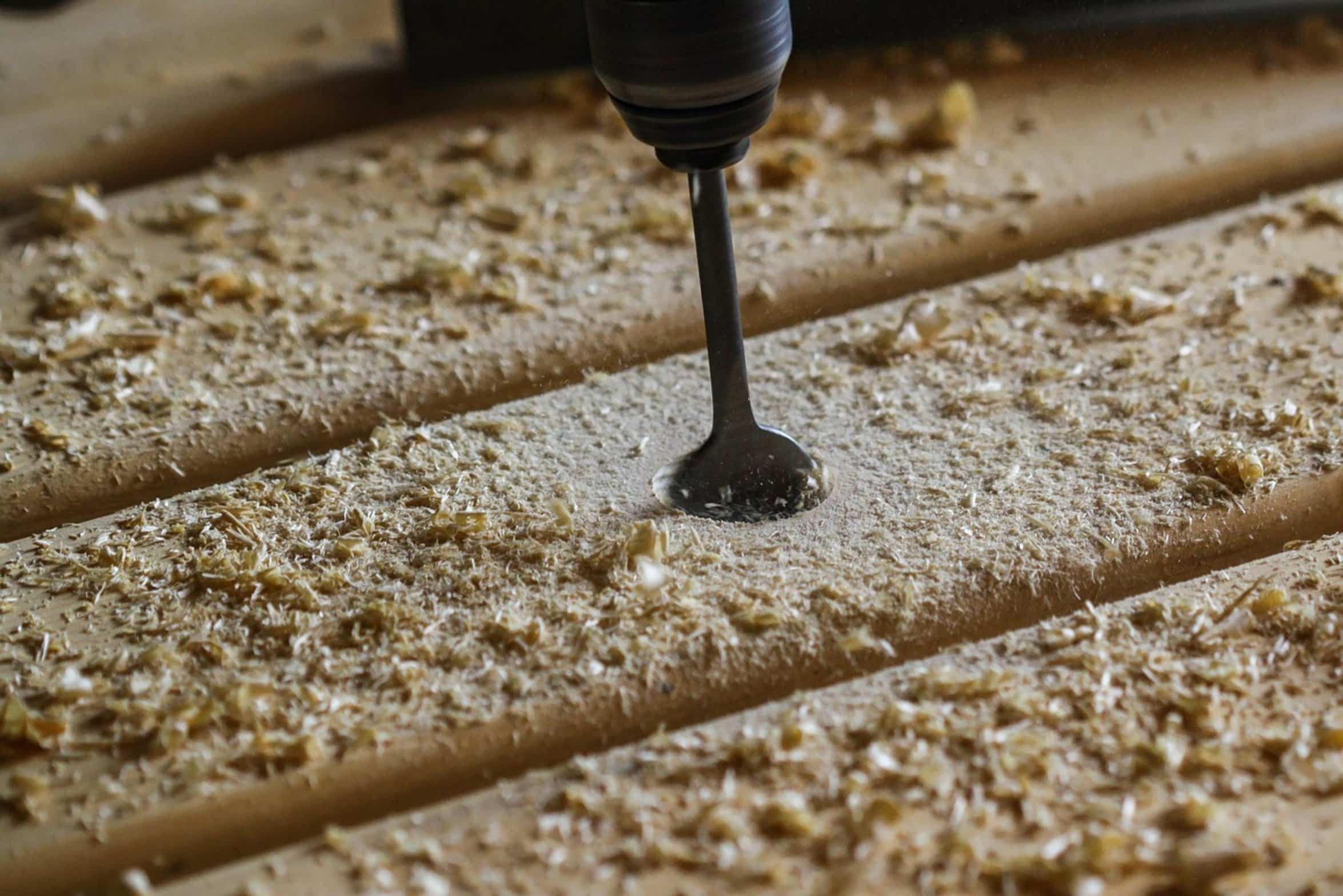
It’s not generally the fault of the machine. What you’re doing is failing to adapt wood-specific techniques to a metal-oriented tool. Use back up boards.
Adjust your feed rate. Choose bits that match the wood more better. Once you do this the drill press will become a reliable tool for repetitive tasks.
Precision for Dowel Joints
Precision drilling is important with dowel joints. They are used to join two pieces of wood together. If you drill a hole that’s three degrees off, it doesn’t seat correct on the dowel.
It’s a weak joint. Then you spend time trying to cover up your mistake by sanding. A drill press allows you to know all holes is vertical.
Using Depth Stops for Pocket Screws
Also use the depth stop and they go down evenly. It is repeatable. Accuracy is important when using pocket screws.
They need to penetrate the material, but not so far that they exit the other side. Use a standard jig or better yet, a drill press with a tilt table for consistent drilling of forty-five degree angled holes. The quill stop lets you set the exact depth of hole.
Installing Cabinet Hardware
That means no screw sticking through thin shelves, which wastes wood and also looks like an amateur job. The drill press shines at installing hardware. If you try to install hinges or knobs by hand they tend to be crooked.
With a drill press you get exactly the same hole every time, with perfect depth. By adding a fence your work piece stays put. Even if you built those cabinets in your garage, they will look like they came from a factory.
Preventing Tear Out with Large Bits
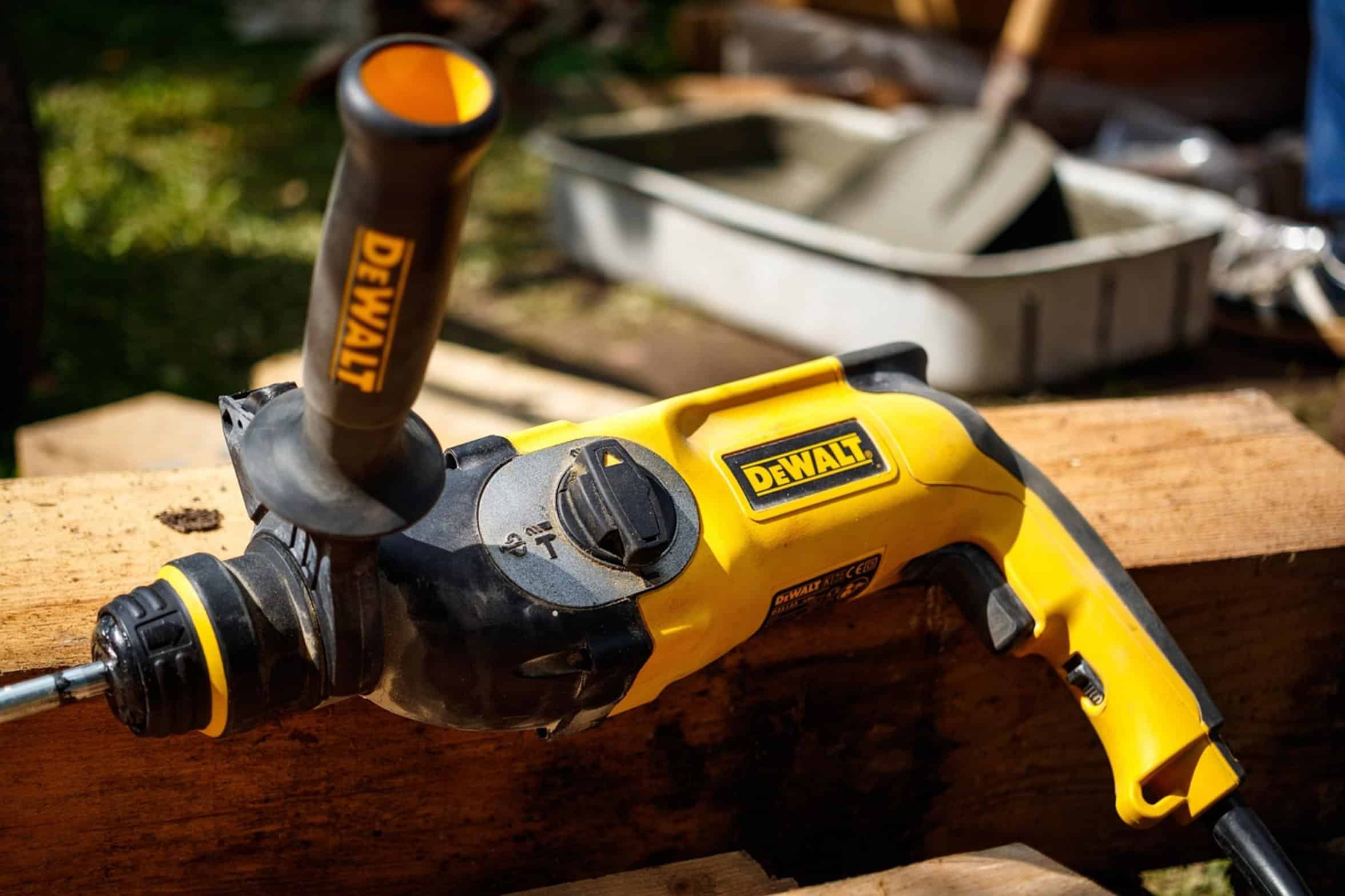
Drilling large diameter holes can be boring, pun intended, and if you’re not careful, it can cause tear out. Friction is an issue with Forstner bits. Slow down your feed rate to match the cutting rate.
Also you have to use a sacrificial backer board for that reason. If the bit cuts out of wood, the sacrificial board keeps it from splintering. The rigid press takes the torque better than a hand drill.
Safety Clamping and Hold Downs
Clean the bottomed flat hole each time. Drilling into wood is unsafe business. The wood grabs onto the bit and rotates the part.
You must have something to hold it down, either a hold down clamp or vise. Never drill wood in your hands. The rotating force is too much for fingers.
Stay away from the bit and chuck with your fingers. Remember this is powerful machinery. It produces precision beyond what you can achieve with hand tools.
Final Thoughts on Precision
A drill press isn’t only for metal. Woodworking uses it as a precision tool. Use its stability to help with better joinery and finish work.
Before grabbing that hand drill for an important hole, think twice. Precision matters. Making a straight, perpendicular hole matters.
You should of learned the drill press to get the details right.