An Angle Grinder is a Necessary Evil for most DIY’ers. It’s loud. It vibrates.
It throws off sparks. Yet, you still reach for it to grind out a weld or cut through some rebar. However, you don’t reach for it because it’s fun.
You stand there staring down at the blue, yellow and red tools lining aisle at Lowes/Home Depot. Some brands seem like they is really expensive compared to others. Then comes SKIL.
Is it an angle grinder? Of course you need an angle grinder. Is it a $100+ tool from the big boys, or will you save money buying something cheaper?
That’s always the question, right? And if I’m honest, that’s why I was curious about this one. We’ve been seeing SKIL move into space where DeWalt and Milwaukee is the heavy-hitters.
Their stuff looks good. It feels like it’ll do job. But you can gets them for half what DeWalt or Milwaukee cost.
Do you lose something in terms of longevity, or performance once you do finally take it out off the box and start using it? But we can’t stop there; we have to look past sticker price. Not all value comes from amount of cash coming out of your wallet.
Value = how well the tool does the specific task(s) you throw at it in relation to the price paid. A SKIL grinder may be a steal, performing 80 percent of the work as its premium counterpart but costing only eighty percent of the price. Or maybe not: maybe that thing vibrates like mad and throws off enough torque that your wrist hurt after five minutes, making it nothing more than a waste of money.
Reviewing Skil Angle Grinder Value
Build Quality and Design
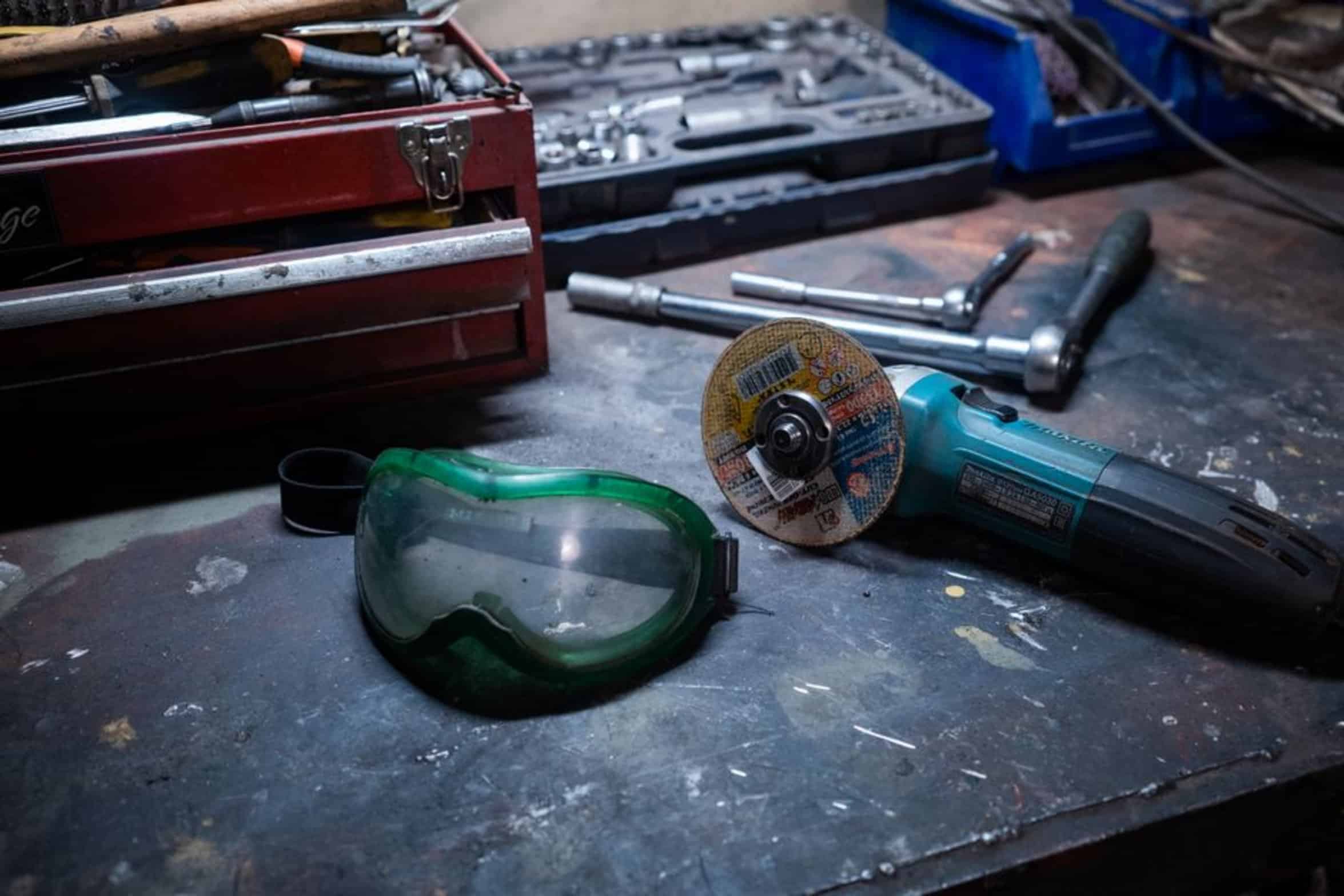
The first thing we’ll talk about here is build quality. SKIL tools tend to be a combination of metal and high-impact plastic. Hearing the word plastic makes purists wince but reinforced polymers has become commonplace in today’s tool designs.
They’re lighter, absorb vibration better than all-metal housings, and so on. Case in point: The SKIL 4.5 inch angle grinder feel surprisingly solid in your hands. The switch is easy to access and tactile, important when you’re trying to keep a steady line as you cut through metal pipe.
It doesn’t feel like piece of junk.
Power Delivery and Motor Performance
Next comes power delivery. Most of SKIL’s corded grinders is equipped with universal motors.
Universal motors has high starting torque and this is essential if you’re trying to grind away at some hardened steel without bogging down. When the grinder encounter resistance, you don’t want a stuttering motor. For deck work, fence building, and other types of residential repairs, the 5 amp SKIL model has plenty of grunt.
If you’ve got a dozen hours of work ahead of you on job site, it won’t outperform a 10 amp pro model, but for weekend warriors, power is more than enough.
Battery vs Corded Options
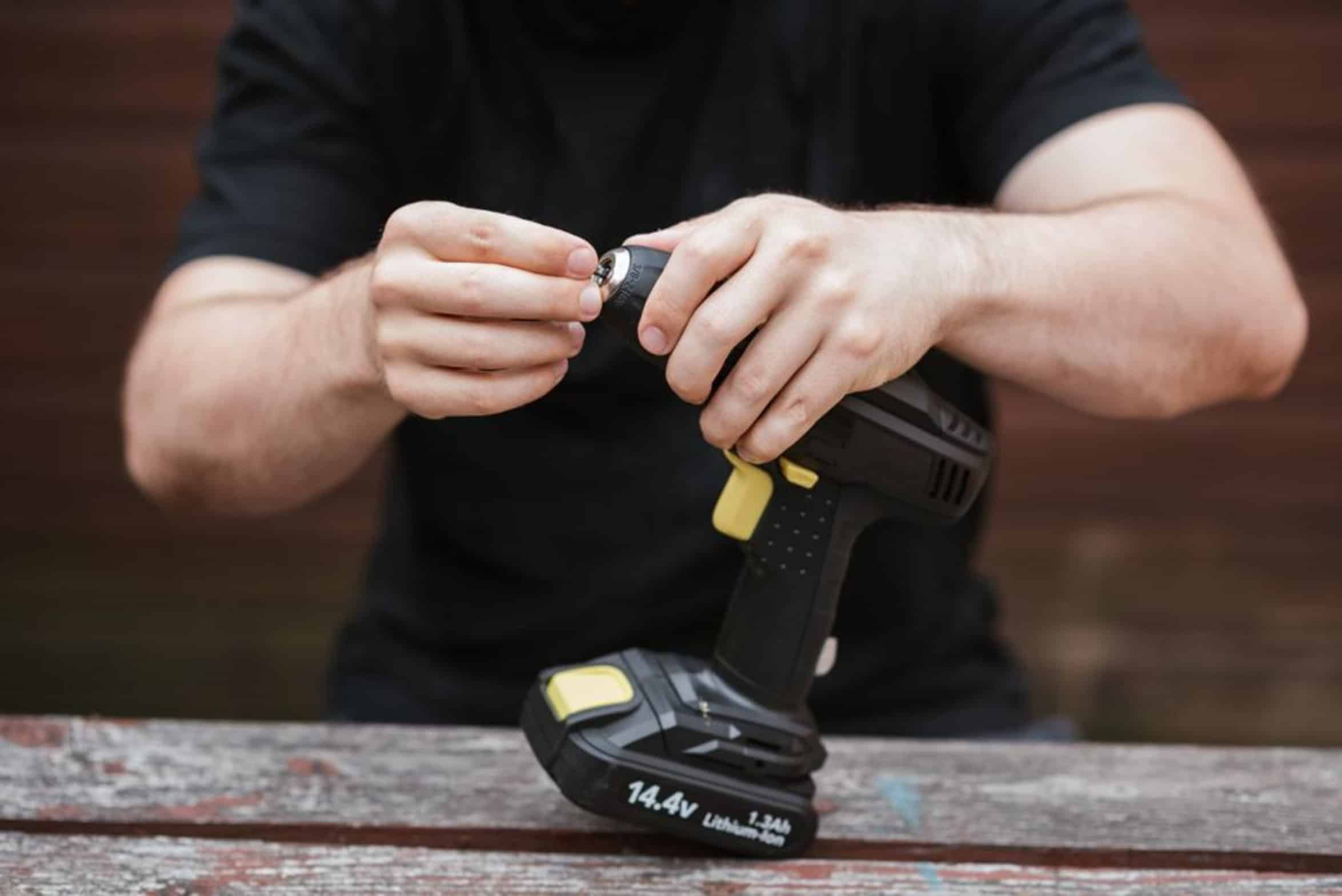
The other side of this coin are battery users. For those that is already invested in the SKIL 20V MAX system, it’s a huge winner.
They are lighter than some of their competitors (which cuts down on fatigue while holding grinder up over your head). Run time is decent for light cutting and grinding work but you’ll want a spare battery on deck if you’re doing something larger. The tradeoff here is obvious.
Yes, you gain more convenience with less weight but you also sacrifice some raw power as opposed to going corded. It’s a fair exchange for most homeowners.
Safety Features and Ergonomics
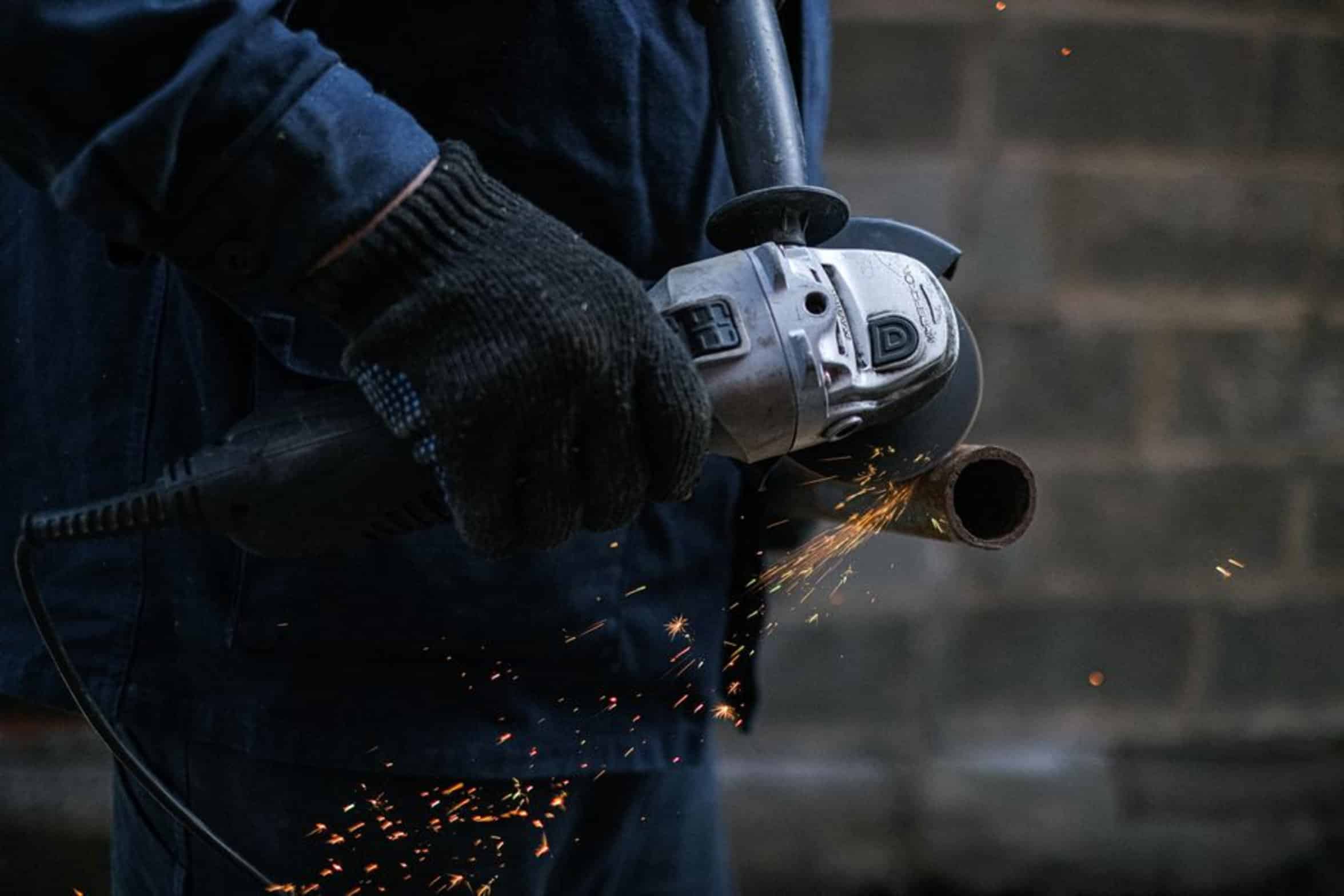
Even on tools at this price point, safety features tend to be an afterthought.
With SKIL, however, they added a few good ones. Many models has a side handle which can be adjusted for your hand size to help control kickback. Many models have a guard that holds its place and is easily positioned.
A wobbly handle or loose guard turns what would of been a straightforward cut into a potential safety issue. A tool is not only about a spinning disk, it’s also about having confidence. And that’s part of what I think SKIL gets about what they offer.
Maintenance and Longevity
Where the budget tools falls short is in maintenance. Bearings gets seized up and brushes wear out. SKIL tools were made to be serviced, but parts availability may depend on which region of the country you live in.
Don’t side-load the disc, because that’ll kill those bearings; treat it well, and it will last. Give a SKIL grinder some love, and it will return the favor. Abuse it, and even the best warranty won’t help you.
Final Verdict on Value
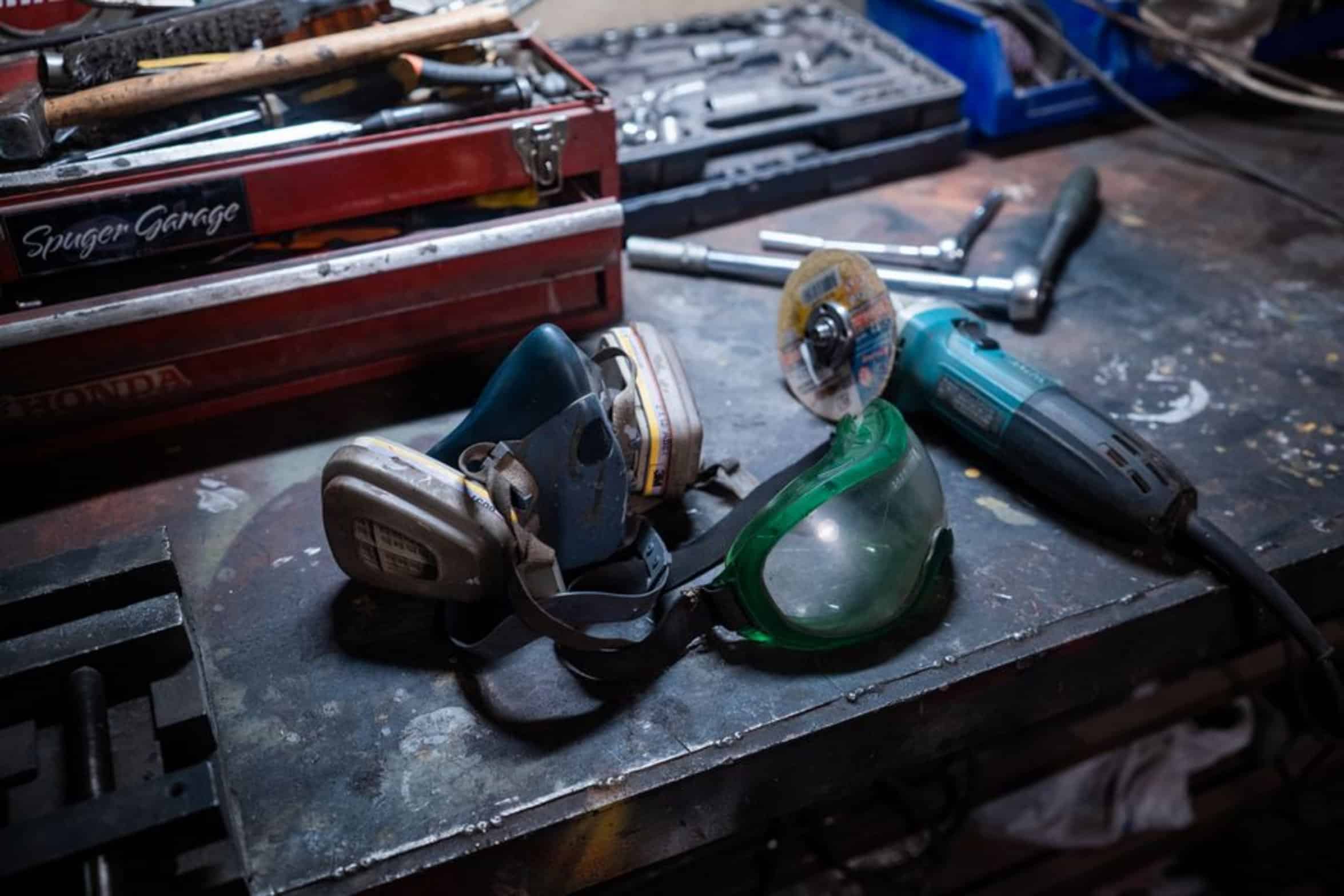
Is it good value, then? Heck yeah. If you’re a casual user, this thing gets job done and won’t break the bank in the process.
If you live out of your truck as a pro, the higher-end brands may have a better service network and overall durablity. But for the rest of us, SKIL strikes a rare balance between being capable and being cheap. It is cheap enough to throw in the back and not think twice about it, yet capable enough to deserve a permanent home in the shop.
Do the math on what you get for the money and it adds up. As long as you know where the tool stops, you’ll find good value here.