Tired of clamping down your workpiece only to end up with a crooked hole? That’s something that will frustrate just about anyone who has drilled holes by hand in the past. The solution is drill press.
Too many folks uses the drill press as if it were a big hand-held drill. But that ignores the geometry of the tool and means giving up accuracy. Respect the geometry of the drill press and you’ll achieve straight results.
Forces matter. Equipment matters. A straight hole depend on knowing both.
Essential Tips For Drilling Straight Holes Accurately
Using Sharp Drill Bits
Rigid machines meet flexible humans. If you have casual approach to this one, you will be disappointed; it’s harder to fix things when they goes wrong. Start with the drill bit: The number one reason why holes wanders is because of a dull drill bit.
A sharp bit instantly grabs hold, going straight down in the material. With a dull bit, it’s like trying to walk across ice, skidding along surface and fighting for grip. Before starting, inspect your drill bits.
For hardwoods and steels, carbide-tipped bits (such as those made by Freud and Bosch) will remains sharper longer. If a bit seems to be walking across the surface, or hesitating, switch it out. You cannot save blunt tips with clamps.
Punching a Center Mark
Now that your bit’s all good and sharp, it’s time to start somewhere. Drilling freehand with a drill press sucks. Hammer a center punch into the spot where you want your hole.
Create a little divot. Now when you use your drill bit, it has something to rest against. That first little skid will throw off your whole deal.
You don’t want it following the texture of metal or the grain in the wood. You want it to follow the punch. Keep that divot clean and dead-center and you’ll be halfway there.
Securing the Workpiece
The second key is how we secure the workpiece. On a small hole it’s unsafe to use your hands. You risk the torque from the drill twisting the material, causing the hole to wander, or even worse, hurting yourself.
Secure the workpiece down so that it stays flat on the table using heavy clamps or a vice. If you’re dealing with small part, clamp them in place on top of sacrificial backing board. This keeps the workpiece flat and prevents markings on the finished product.
A wobbly workpiece make a wobbly hole.
Setting Depth and Feed Pressure
Set the depth stop on your drill press. If you set the depth, then you don’t risk drilling right through and possibly getting the bit caught when it come out.
The more times the bit comes all the way through in one shot, the greater chance that it will catches. By stopping short, you can turn the piece over and complete the hole from the reverse side. That gives you a cleaner exit.
Because there is no need for the bit to struggle while thinning the material on the backside, it stay in line. Most folks fail at feed pressure. Relax and let the tool do the work.
Don’t force it. The bit will deflect if you push to hard. Let your ear tell you what’s happening as you go along.
Controlling Speed and Pressure
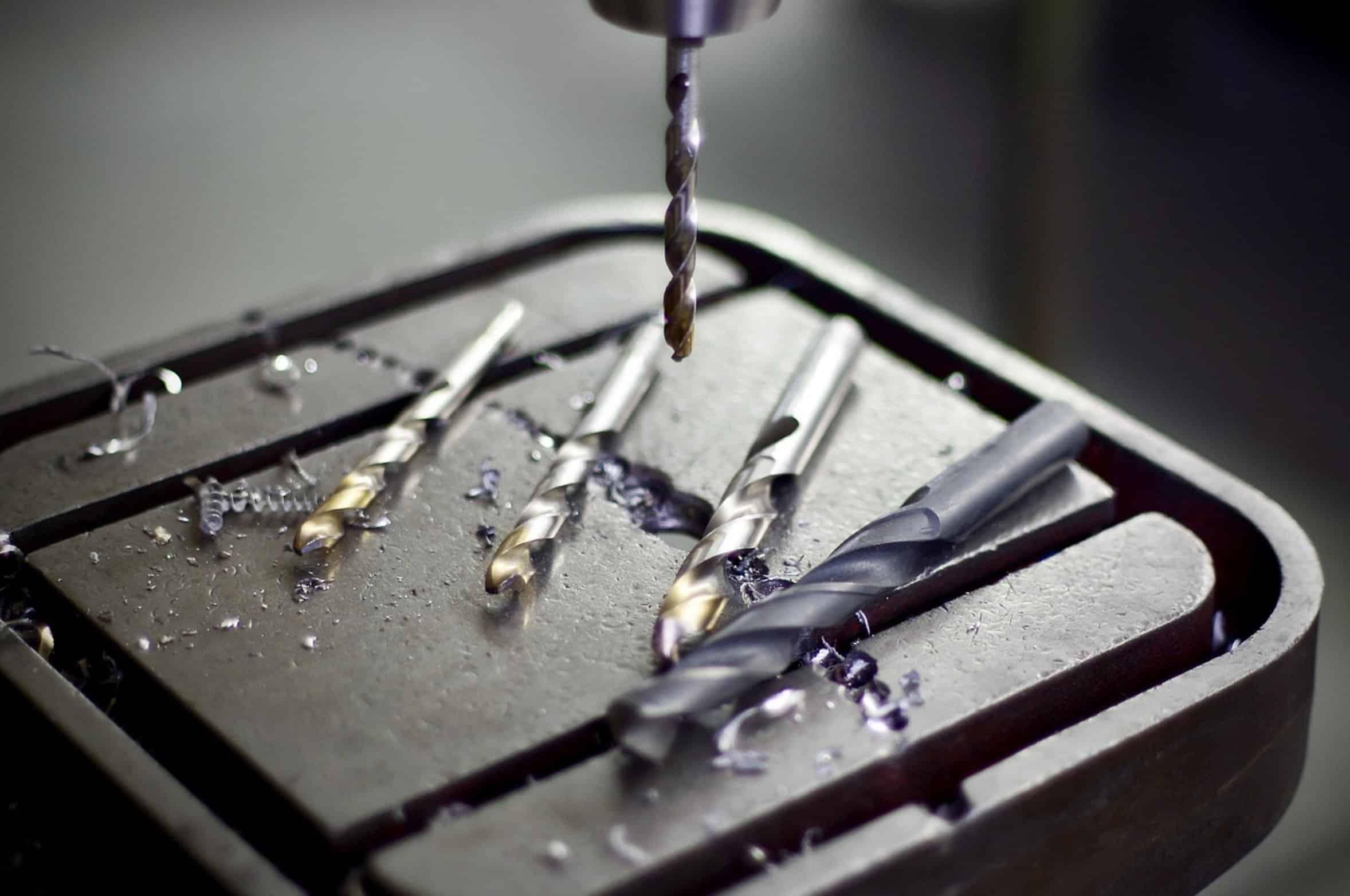
If you hear a high pitched sound, either the bit is dull or you’re forcing it. You want a steady hum. For bigger bits, slow the RPMs down.
Running a half inch bit fast just makes it get hot and deflect. Slow the spindle down, put gentle pressure on the bit and let its sharp shape guide it. Actualy, it should of been easier.
Hole Hole Hole: Accuracy is a habit. A straight hole takes time; you can’t rush it. Take your time to set up right.
Keep the tools sharp. Secure the work. Respect the machine.
Clean hole, that’s the pay off of taking your time and setting up right. It’ll serve you well on the next project. You should of used a moddern bit too.