The tool aisle is your moment of truth: The large, sturdy corded miter saw awaits on one side. Always plugged in, it provides steady juice for an unlimitted number of cuts. Beside it stands its slimmer, battery-driven cousin, the cordless version that claims to free you from cords while allowing you to make cut everywhere.
These two tools does roughly the same thing. They both slice through pieces of lumber at specific angles for everything from furniture to frames to trim work. But they deliver their power different than, and they each require something different from you.
This is not a capabilities vs convenience issue, but rather one of finding the best match for the conditions of job site. Do you have a well lit shop full of outlets where you’re finishing a cabinet? Or are you working on a hillside without any extension cords and building a deck?
If you know the answer, then you know which saw is worthy of space in your bag. Swapping batteries or lugging around extra weight at the wrong time is not ideal. Let’s unpack what the true pros and cons is so that you can make an informed decision and get to work.
Corded Vs Cordless Miter Saw Key Differences
Power Delivery and Performance
The biggest difference is in power delivery. The DeWalt DWS779 takes its juice straight from the wall; it’s a corded saw. So no matter what cut length you’re making and whatever thickness of lumber you have on your sled, there’s always full speed and torque available.
There’s no fear of voltage drop or losing steam after multiple cuts. No wonder pro guys will still run one as their main saw for shop work. It just keeps running.
As you might guess, the price is the inability to move around freely. Need an outlet? You’d better hope it’s nearby.
You aren’t going very far with a heavy-duty extension cord that can handle the power draw without popping fuses. There are now cordless solutions that has narrowed the gap considerably. High capacity batteries and moddern brushless motors give these tools plenty of punch; no hesitation when it comes time to chew through a 2×4.
It’s also nice to walk away from the wall during a remote job. No more dragging a cord across delicate shingles; go up on the roof of someone’s home and make a cut. Battery life is still a genuine limitation though.
Ripping heavy lumber will burn through your cells in no time flat. You must have spare batteries charged and ready, or you will likely run out of power in the middle of a project. This is a logistical burden to consider before you buy it.
Portability and Stability Trade-offs
Portability trumps specs Cordless miter saws are typically smaller and lighter than corded options, as they don’t feature a bulky battery pack and many times has less rigid metal housings. That added weight from corded models helps keep things stable while in use, resulting in a cleaner cut and less vibration. If used primarily in a shop, these are great.
Because they’re portable, they’re ideal if you’ll be moving the tool around quite a bit. Need to take it upstairs or onto a ladder? No problem (just grab it by the handle and go).
But also know that how well the saw performs have much more to do with its surrounding environment and the stand than the saw itself. Typically when you use a corded saw, there’s a specific stand for it and it’s in a well-controlled shop environment. The blade is supported at all times, kept square and stable by the strong stand and a solid floor.
When using a cordless saw, more often than not, you’re working on a makeshift surface like uneven ground. Vibration from walking around or wind can affect accuracy. If you want to get precise cuts you need a solid work bench or an investment in a nice rolling stand.
Otherwise, even the best of cordless saws won’t cut true if they aren’t supported properly. It’s only as good as what it’s sitting on.
Long Term Cost and Battery Platforms
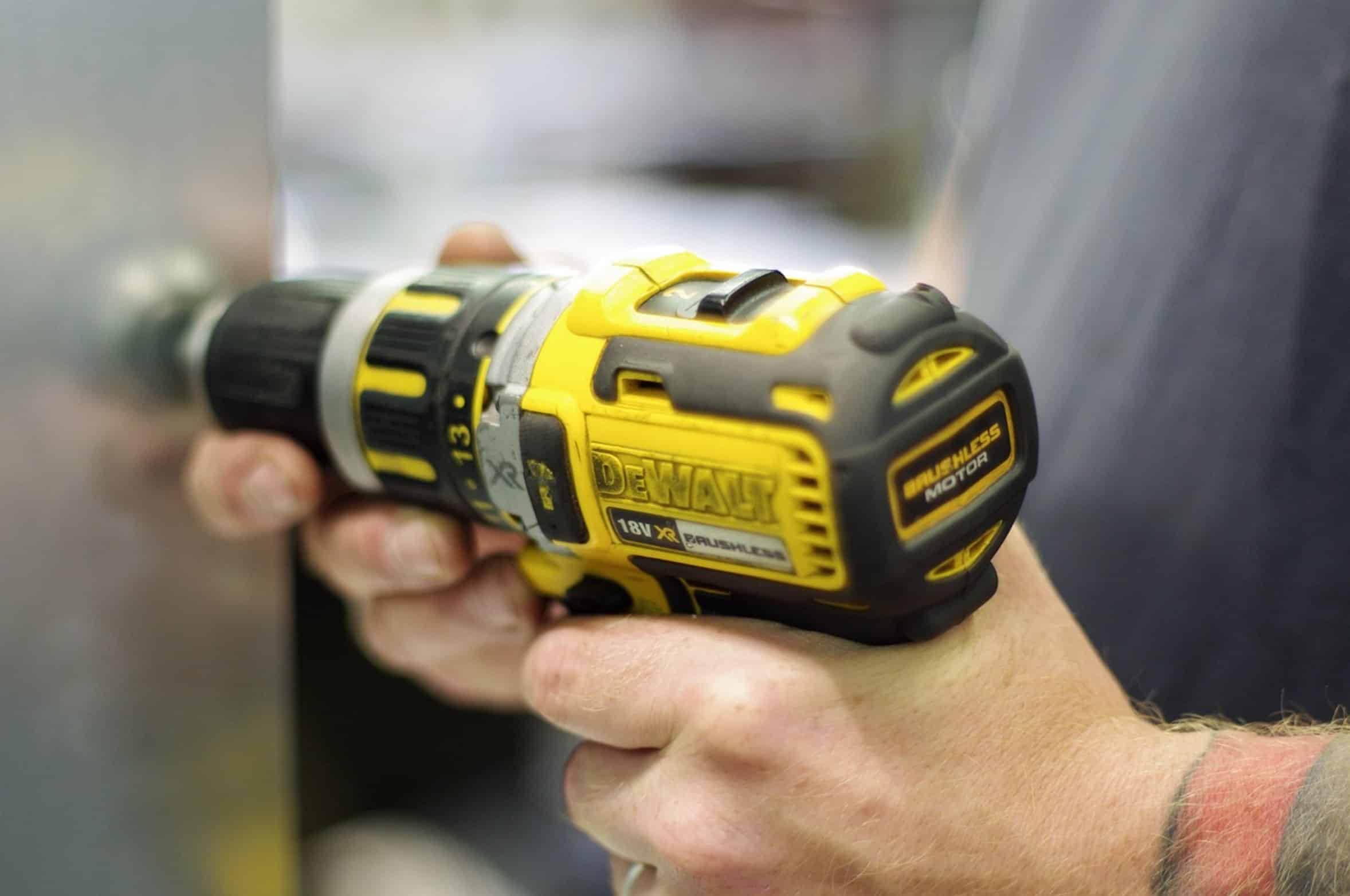
Long term cost and investment also factor into this decision.
Typically, corded saws will save you money at initial purchase. Buy it and you’re done. You don’t have to buy any additional chargers or batteries.
Unlike cordless tools that require a commitment to a specific battery platform, corded saws don’t need batteries or chargers. Cordless tools mean buying in to a particular battery platform. Their saw makes sense if you are in the Milwaukee M18 battery platform already.
Your current batteries might not work if you switch to a different platform. This creates an extra cost and a lock-in. Both add to the total cost of owning the tool.
With each purchase, you pay for the ease of having a battery system.
Choosing Based on Job Site Needs
It’s all about how you work. A corded saw will be more durable and cheaper to run in the long term if you have steady access to electricity like in a pro shop or your home garage.
This is your best choice for everyday work. Cordless is essential if you’re a contract builder doing new builds without temp power or a trim carpenter running from house to house. It comes with logistical burdens like battery life and charging to consider.
Check out your average jobsite. What does it look like? How many outlets do you see?
Now check your battery stock. The one that fits your real life (not the brochures) is the best. You should of looked at this sooner.