You grab hold of that chain and yank it hard. Your DeWalt chainsaw is supposed to make a clean cut, right? All you hear is metal grinding on metal.
Where is the bar oil? Why isn’t there any? It is frustrating.
It is annoying. This is a recipe to destroy a blade in mere minutes. Bar oil are the lifeline of your equipment.
It prevents your guide bar from failing and ruining an otherwise good saw. With no oil flowing, the friction increase. It rapidly heats up.
Soon the drive link gets scored by the heat and destroys your bar. The solution might not even be the oil. Often it is caused by mechanical or environmental factors.
But don’t worry, you can repair all of this before trashing your equipment. Understanding the cause will help you fix it correctly. The most common reason are that the oil reservoir is dirty or the nozzle is clogged.
Diagnosing And Fixing DeWalt Chainsaw Oil Leaks
Common Causes of No Bar Oil Flow
By design, Bar oil is thicker than other oils. Its thickness helps the oil stick better to the bar. But it also lets dirt and sawdust settle to the bottom of the reservoir.
Dirt and sawdust plug up the hole for the outlet tube or pick-up tube. Flow cease or the oil light stays illuminated. Most times, cleaning the reservoir take care of it.
Make sure your pick up tube is also clear. The flow is also impacted by the oil control settings. Most of the DeWalt models has an adjustable knob.
Oil Control Settings and Adjustments
Oftentimes the knob have a drop icon on it. Turning it all the way to the left will restrict the flow. Turning this down some saves oil for some users.
This actualy starves the bar. The factory setting is typicaly fine. If you are having problems getting oil, turn the knob back in a little.
Counterclockwise increase volume. A dry bar is worse than extra oil. Viscosity depends on temperature.
Cold Weather Oil Viscosity Issues
When it’s cold, standard bar oil gets thicker. Thick oil doesn’t easily flow through thin channels, and the pump has a tougher time forcing it through. In cold temperatures, the oil can get so thick that it won’t even flow.
That creates what seems like leaks or dry spots. Using synthetic or winter-grade oil help in cold weather. A simple tweak avoids major issues.
Oil Pump Failures and Leaks
At times it’s a bad seal with an overflow. The engine cam drives the oil pump. Over time, pump seals can go bad.
Teeth on the drive gear can get stripped too. Oil leaks out and drips off engine vents. It goes into the crankcase.
It is messy. It lessen the amount of oil that gets up to the bar. If you see oil dripping out of bottom of the engine, this might be what’s going on.
Often you would of had to replace the pump assembly to fix this. Trouble can occur when there’s an airlock. When the reservoir empty, it allows air into the system.
Fixing Airlocks in the Oil System
Now, your pump is fighting against air as it tries to force it back out. It will take a few minutes before the oil primes the pump. At that point, it hasn’t broken down yet; it simply requires time to set itself up again.
To prevent this, top off the tank. You’ll save yourself some troubleshooting time by making this a habit. Take care of it Check oil each time out.
Routine Maintenance for Proper Lubrication
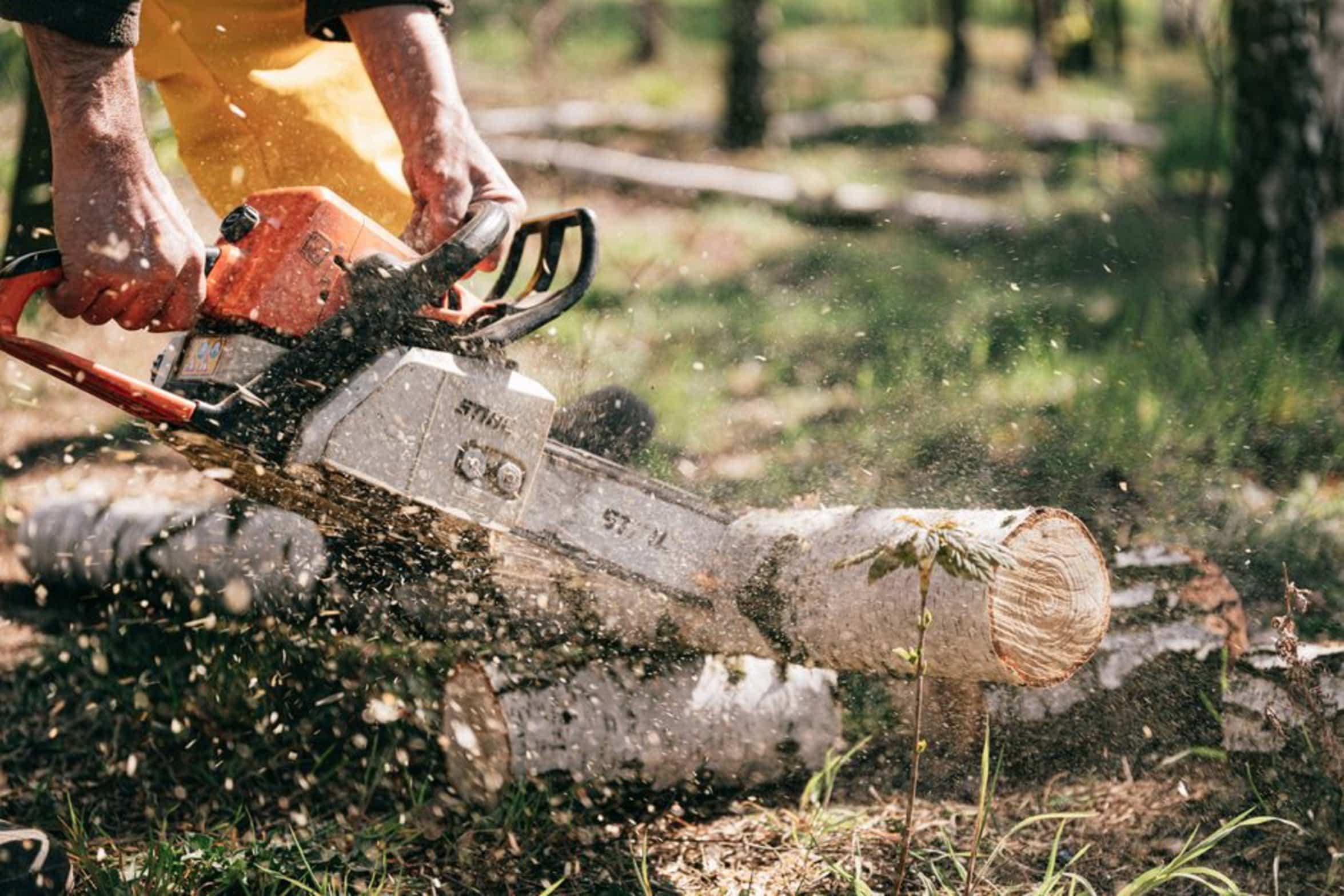
Clean oil holes and bar with wire brush. Inspect drive chain for wear. The oiling system only works if you take care of it.
A well-lubed bar cuts cooler. It lasts longer too. Maintaining the equipment makes it safer.
Never overlook the oil flow. A dry cut is an expensive error.